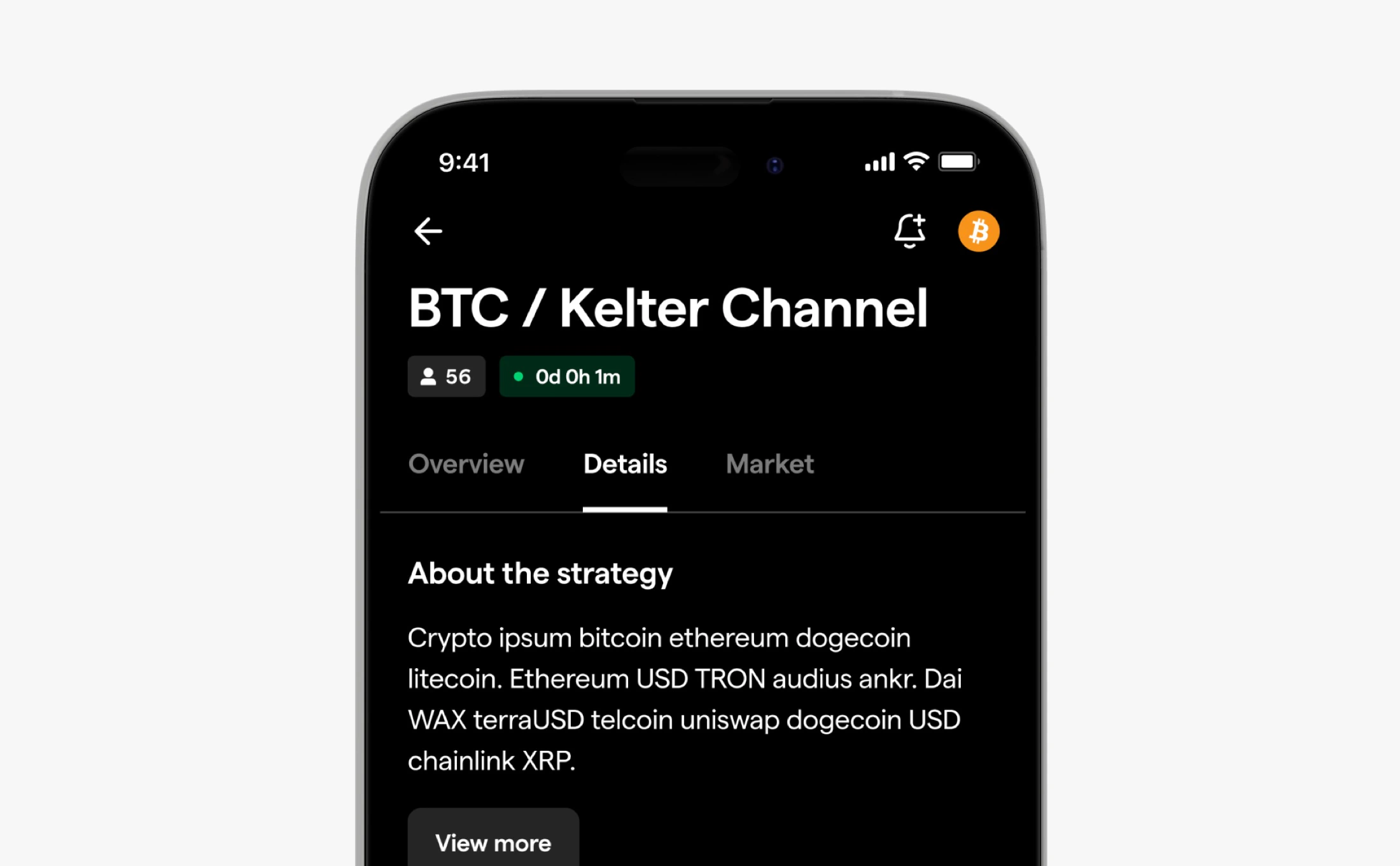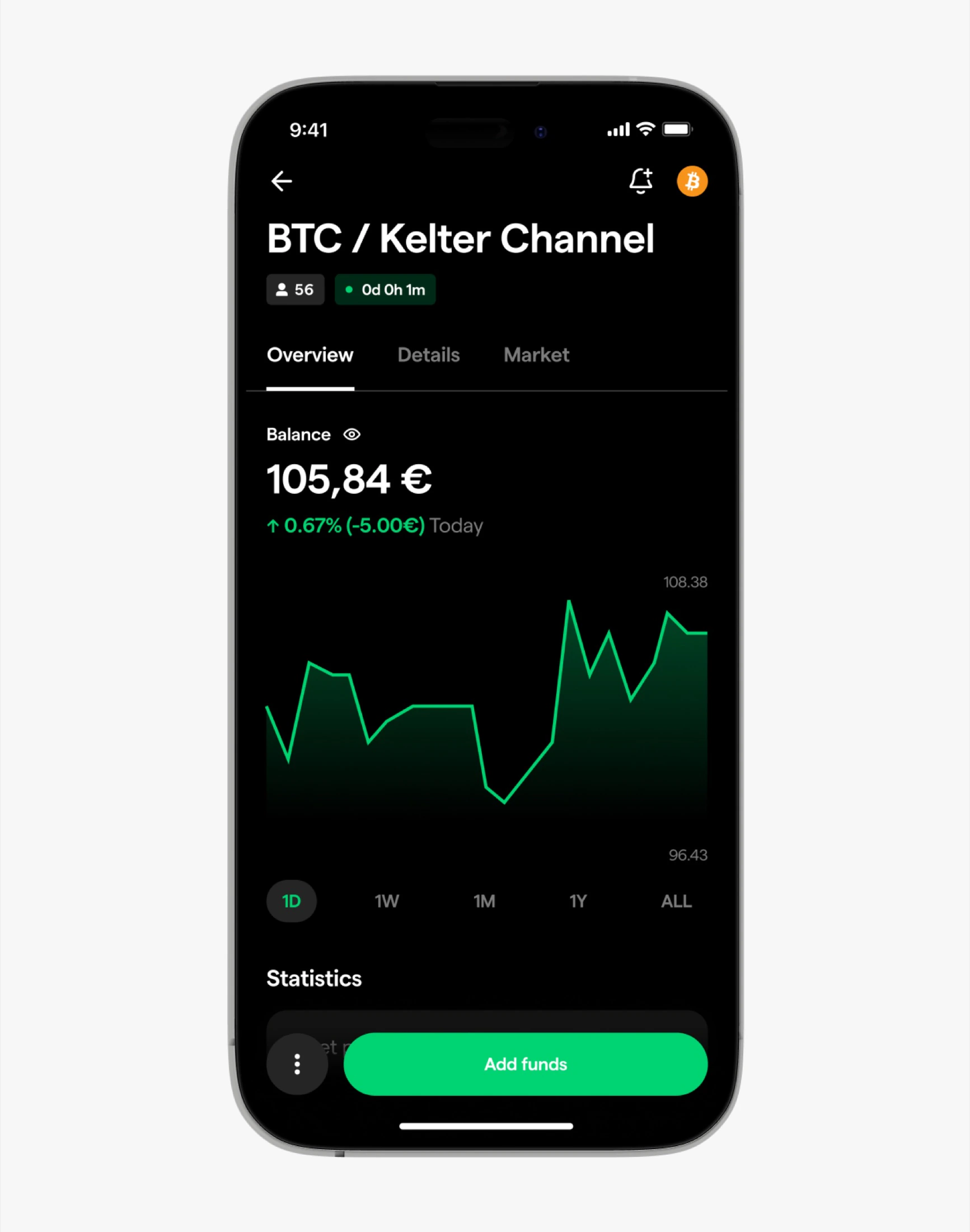
Smart Trades: Making Automation Feel Effortless
Young Platform's mission has always been to make crypto investing more accessible. As the platform evolved, we saw an opportunity to expand beyond buying and selling by introducing smarter ways for people to invest over time.
Smart Trades is an automated investment product that allows users to execute predefined trading strategies through a simple, approachable experience, bringing advanced investing tools to a much broader audience.

Automation For Everyday Investors
Automation has become a standard expectation across many financial products, yet crypto trading remained largely manual and intimidating.
Experienced traders could navigate complex strategies, but everyday investors often lacked the confidence, or the time to do the same.
Smart Trades was an opportunity to make automation accessible without making it feel “risky”.
My role
Beyond designing interfaces, my role was to help define how automated investing should work for Young Platform's audience.
From product discovery to interaction design, I collaborated with cross-functional teams to create an experience that made automation feel understandable and trustworthy.


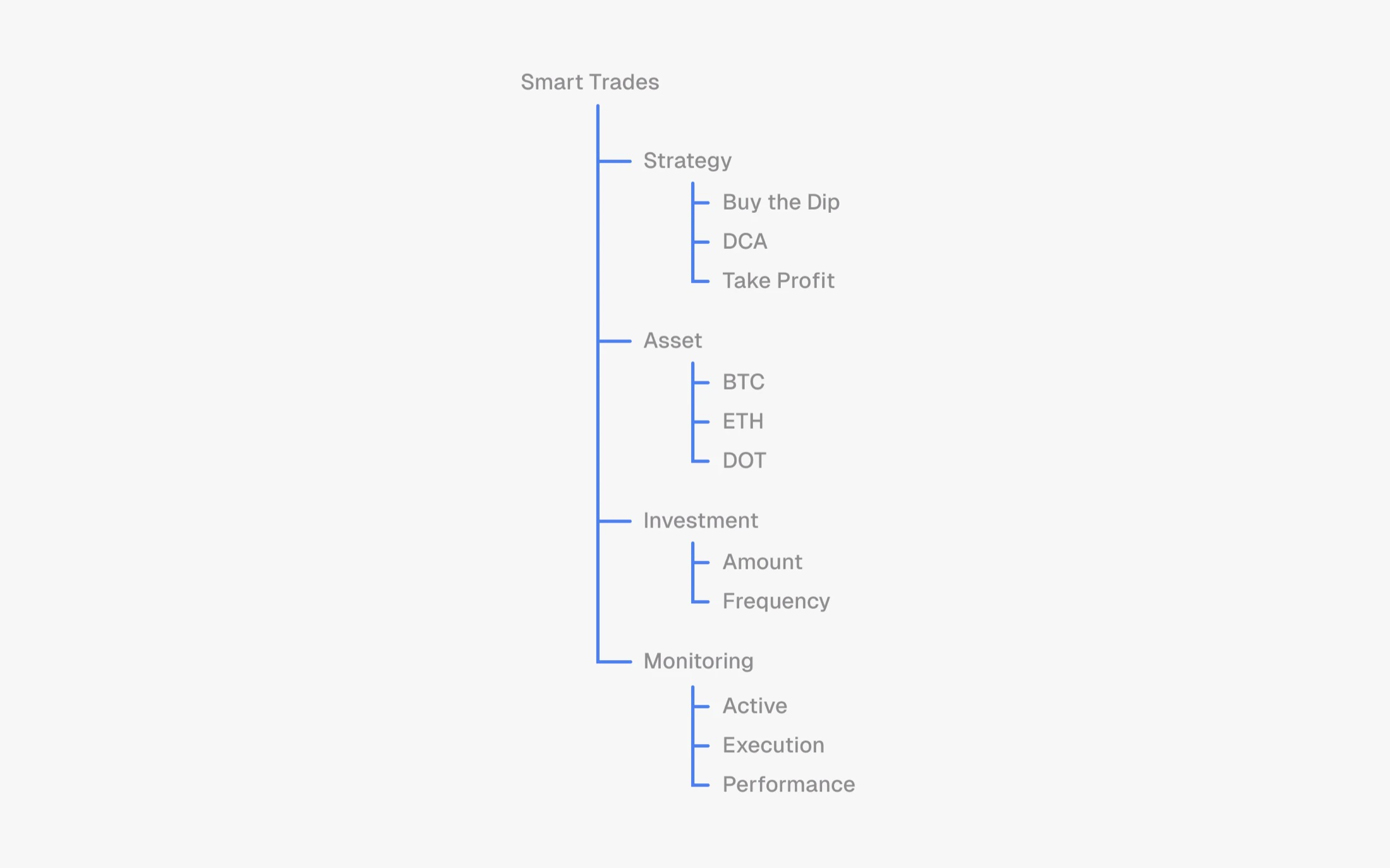
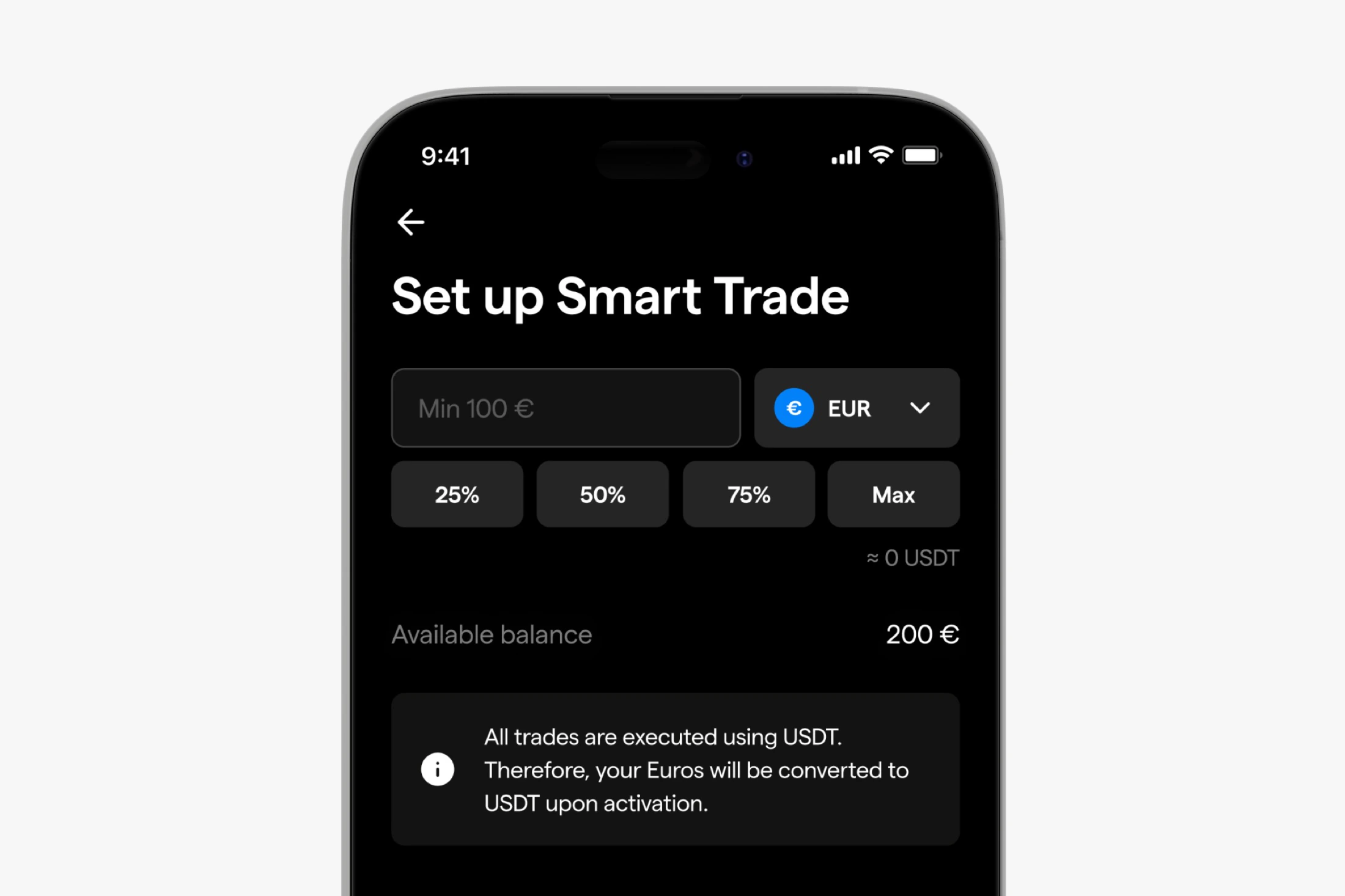
Every Smart Trade is composed of a few simple decisions, allowing users to benefit from automated investing without understanding the underlying trading logic.

Automation Without Anxiety
For most people, trading crypto isn't exciting, it's overwhelming. Newcomers often struggled with timing: when to buy, when to sell, and when to wait. Even experienced users felt tied to their screens, afraid of missing out or making the wrong move.
Emotions ruled many of these decisions. Fear of loss, the thrill of quick gains, and constant market noise created a cycle of doubt. While automated tools already existed, they were usually hidden behind complex dashboards or explained in language that felt intimidating.
How might we make automated investing feel simple and trustworthy for everyone?

Building for trust and growth
To make automation feel approachable, we focused on three key areas throughout the project.
Discovery
Through user interviews, support tickets, and funnel analysis, we uncovered the main barriers preventing adoption. Users weren't intimidated by automation itself, they feared making costly mistakes, struggled with complex trading tools, and lacked confidence in handing decisions over to a strategy.
Design
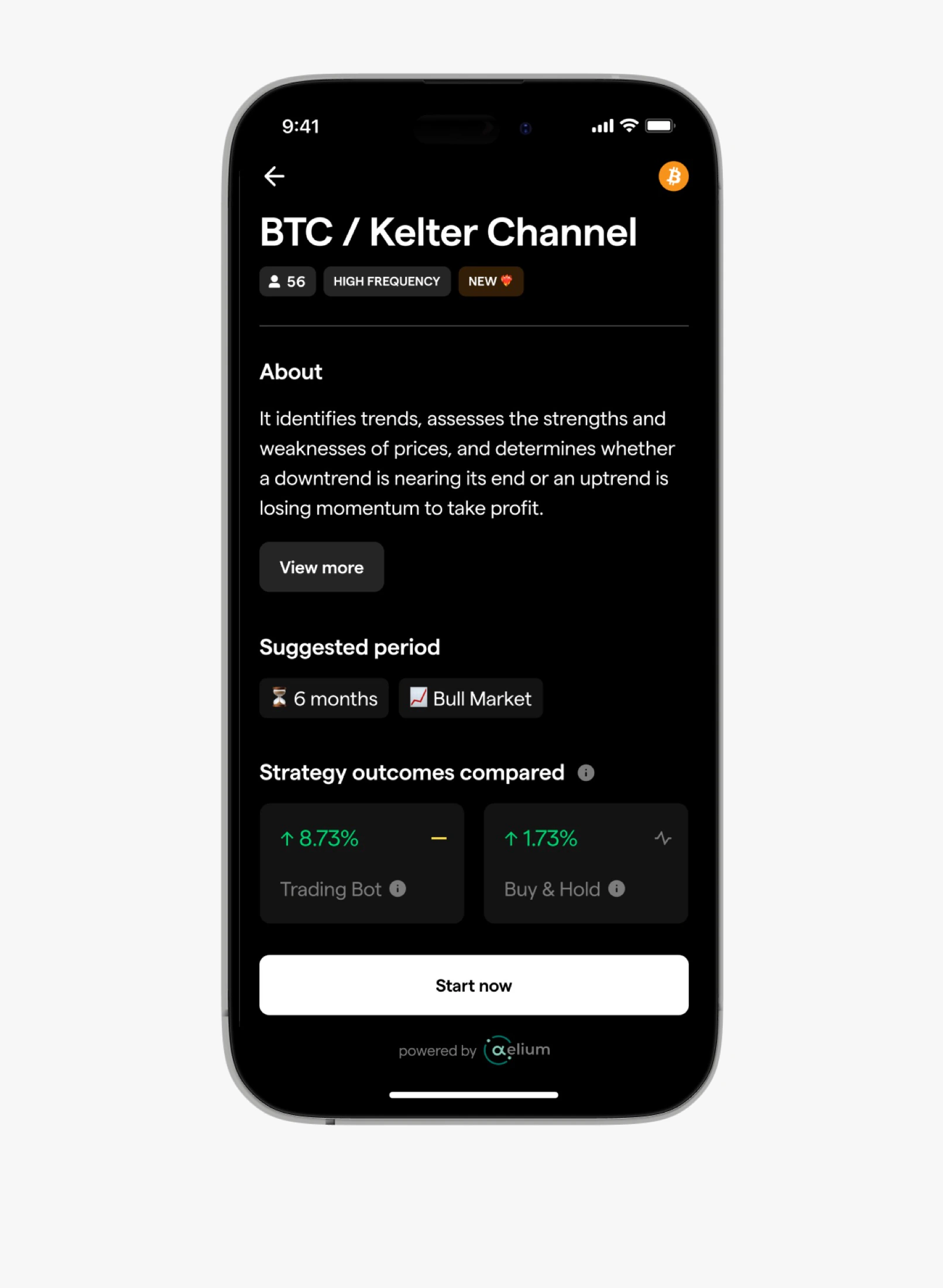
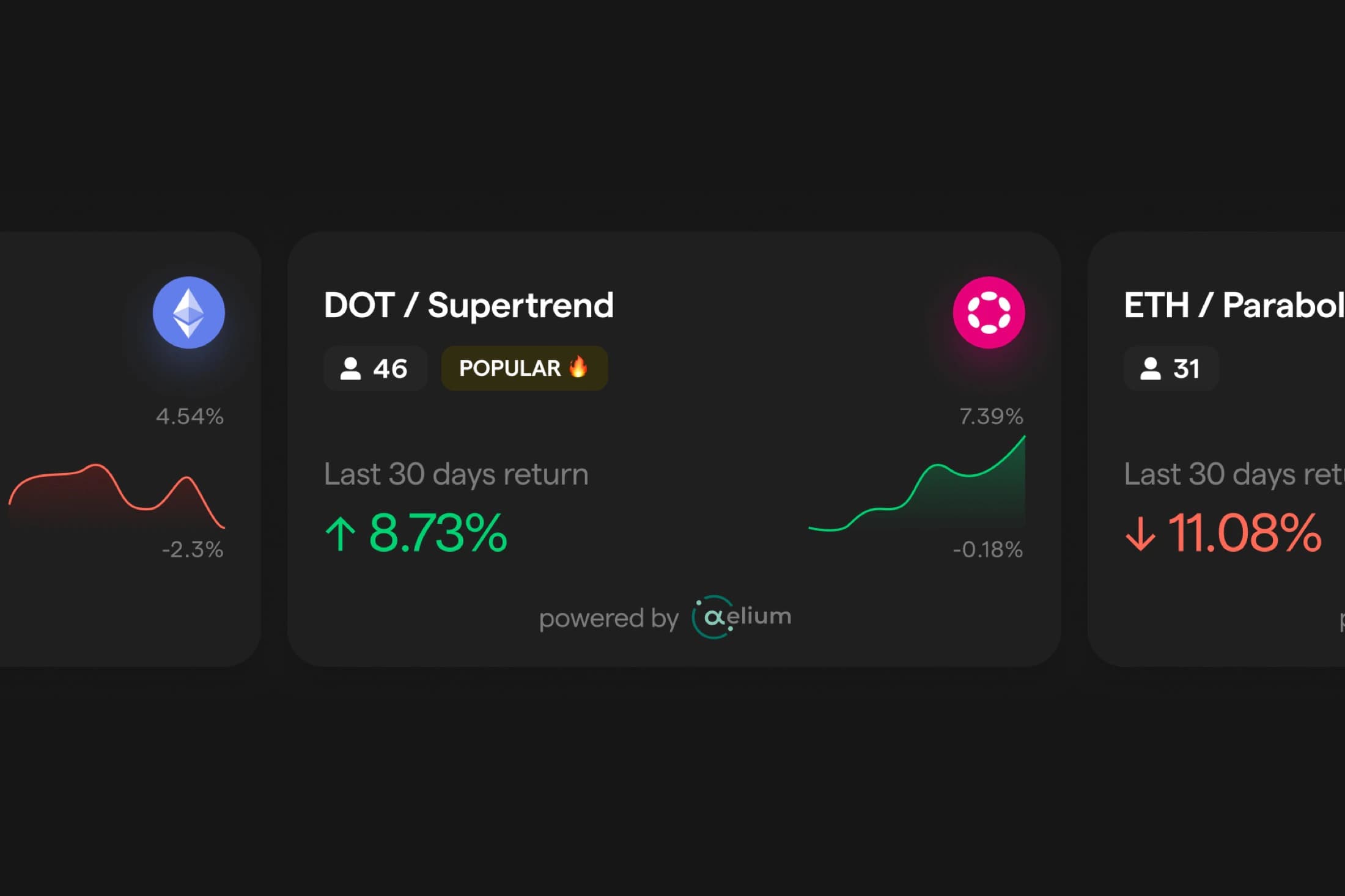
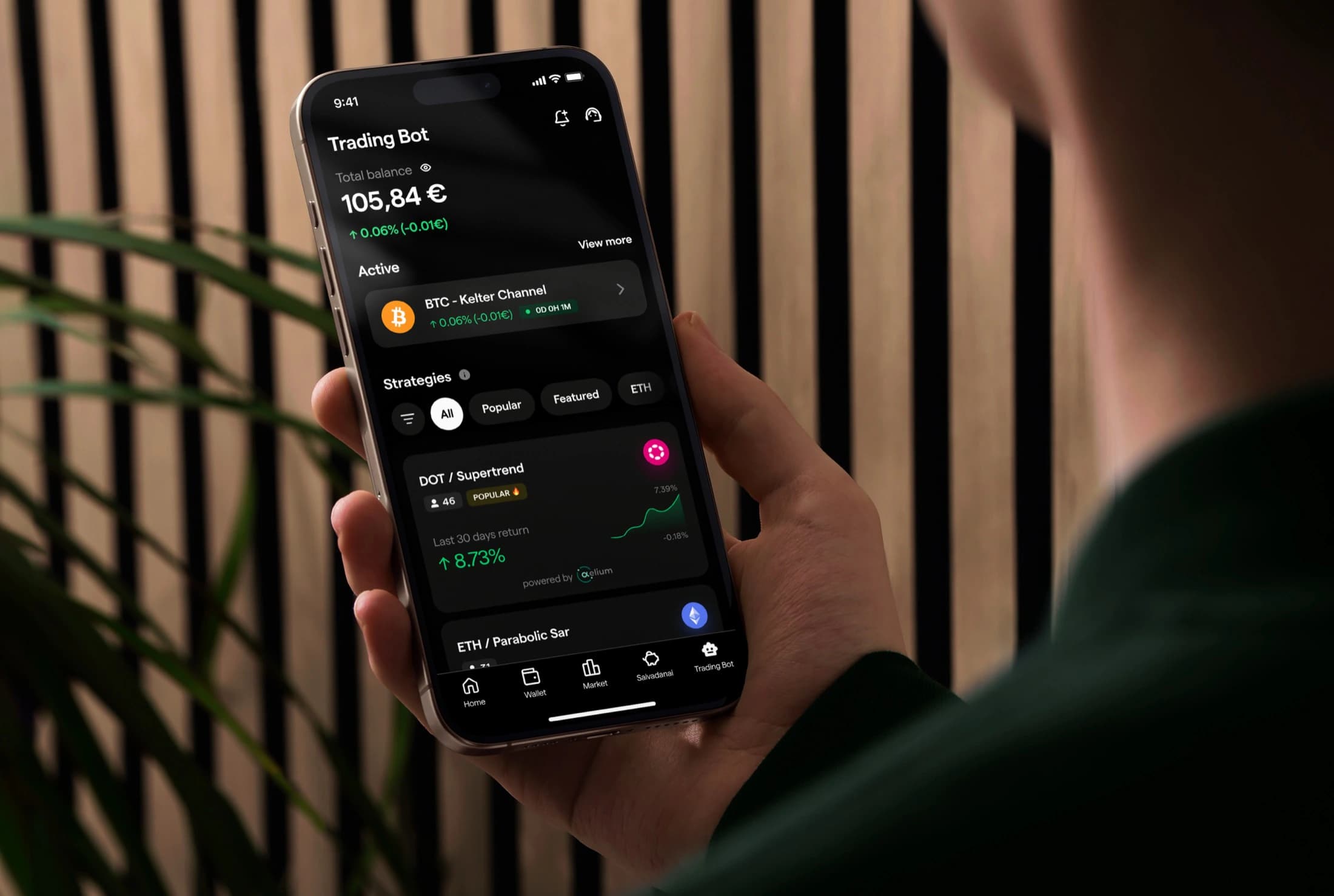
We translated technical trading concepts into clear, goal-oriented strategies like Buy the Dip, Range Trade, and Take Profits. Progressive disclosure reduced cognitive load by introducing one decision at a time, while plain language helped users understand outcomes instead of learning trading jargon.
Delivery
Working closely with Engineering, we iterated quickly while extending the existing design system with new components, interaction patterns, and strategy cards. Every flow was designed to feel guided, transparent, and easy to revisit as users became more confident.
Our guiding principle was simple: make automation feel human, transparent, and trustworthy.


Measurable Growth Through User Trust
Smart Trades quickly became one of Young Platform's most adopted product launches. Beyond driving measurable business growth, it introduced a new way for users to approach investing, one that reduced friction, increased confidence, and encouraged long-term engagement. In the first period of 3 months we got:
- Increase in trade volume
- 0K+
- Unique users engaged
- 0K+
- Capital allocated
- 0K+
- Growth in Club subscriptions
- 0%
Increase in trade volume
Unique users engaged
Capital allocated
Growth in Club subscriptions
Summary
Designing Smart Trades taught me that the biggest barriers in financial products aren't always technical, they're emotional. Users weren't looking for more sophisticated trading tools; they were looking for reassurance. Every design decision, from simplifying strategy creation to making automation more transparent, was ultimately about helping people feel confident enough to take action. Looking back, the success of the product wasn't defined by the number of strategies we introduced, but by how approachable we made them feel. It reinforced an idea I've carried into every project since: great product design isn't about removing complexity, it's about presenting it in a way that people can understand, trust, and confidently engage with.